Leak Detection
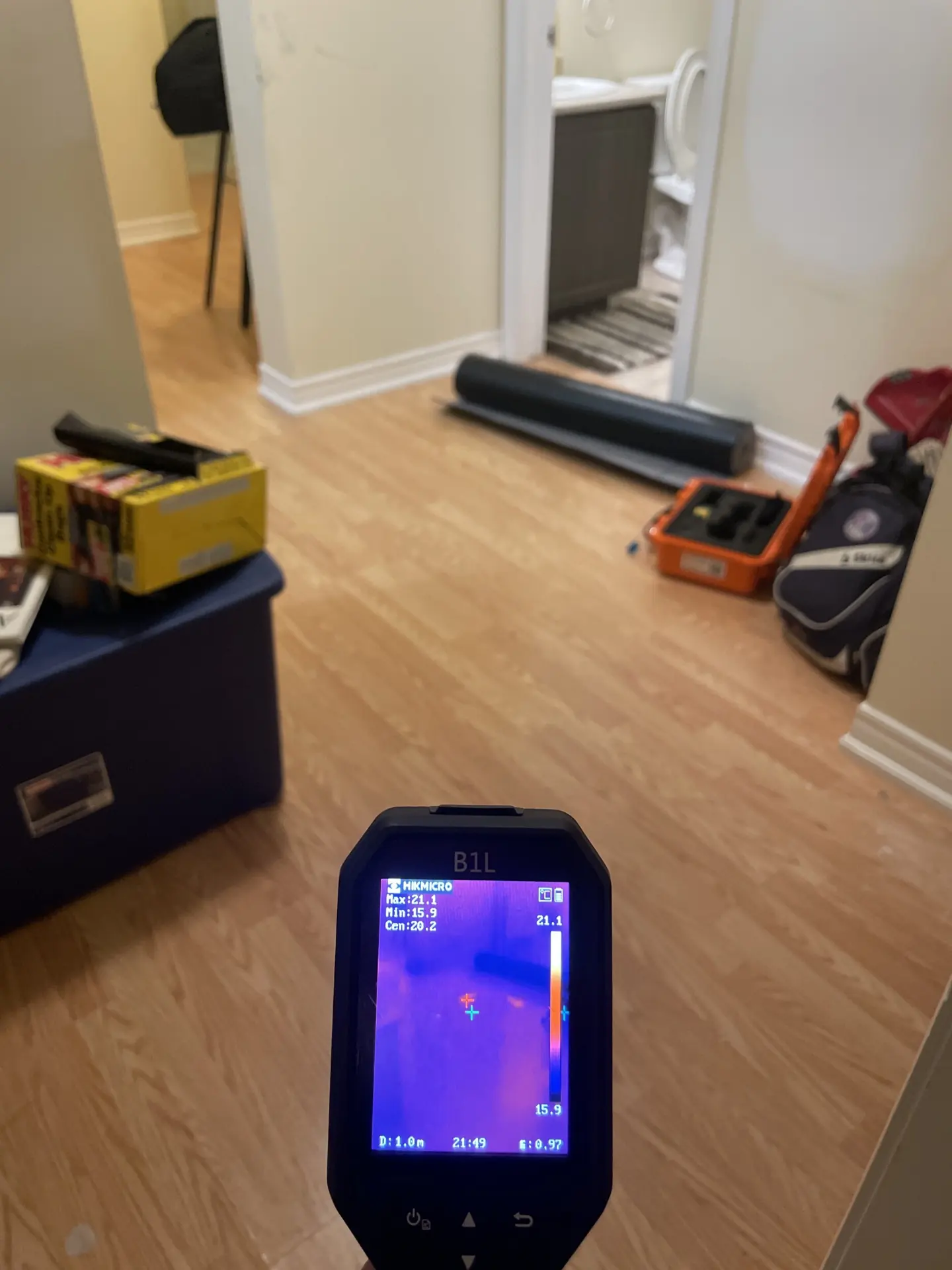
Our thermal imaging inspection finds temperature anomalies that may indicate hidden leaks, wet insulation, roof intrusion, HVAC condensation, or incomplete structural drying — without immediately opening walls or ceilings. ZM-MADE offers a free thermal imaging inspection for qualifying Fort Lauderdale, Broward and Palm Beach County properties.

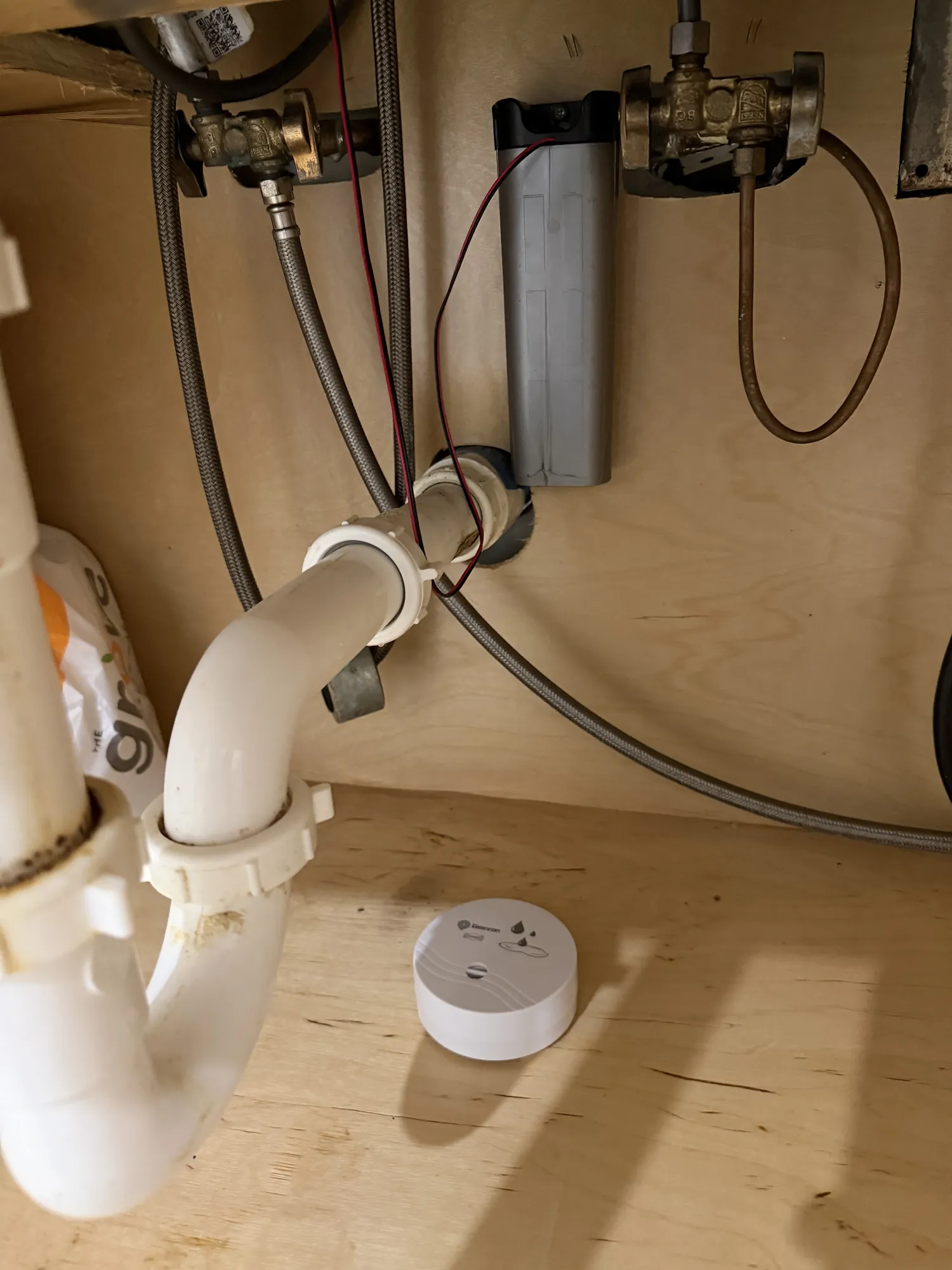
If you need leak detection, ZM-MADE inspects the source, stabilizes affected areas, removes damaged materials, and documents the work so your property can recover safely. Thermal imaging guides where to look before anything is opened up, so investigation stays targeted instead of exploratory.
A temperature anomaly on a thermal scan indicates where moisture is likely present, not a confirmed diagnosis — some findings are verified with a moisture meter, and some require opening the affected area to confirm. Readings and photos are documented at each step, giving a clear record of what was found and what action followed.
FAQ
What areas does ZM-MADE serve for leak detection?
ZM-MADE provides leak detection for Fort Lauderdale, Broward County, and Palm Beach County, for both residential and commercial properties.
What should I do if I suspect a leak but can’t see any damage?
Request a thermal imaging inspection before opening any walls or flooring. Because moisture can travel and pool somewhere other than where it’s first noticed, a targeted scan narrows down the actual source instead of guessing.
How is leak detection different from water damage restoration?
Leak detection is the inspection step — finding and confirming where moisture is present before anything is opened up. Water damage restoration is the extraction, drying, and repair work that follows once a leak or moisture source has been identified.
Can thermal imaging see through walls?
No. Thermal imaging reads surface temperature, not what’s physically inside a wall. It shows where a temperature anomaly exists on the surface, which is used to narrow down where moisture is likely located before any material is opened.
What happens after a hidden leak is found?
ZM-MADE inspects the source, stabilizes affected areas, removes damaged materials, and documents the work so the property can recover safely — the thermal scan guides where to look, keeping the investigation targeted instead of exploratory.
Is ZM-MADE’s thermal imaging inspection really free?
ZM-MADE offers a free thermal imaging inspection for qualifying properties across Fort Lauderdale, Broward County, and Palm Beach County. Contact ZM-MADE to confirm current qualifying criteria.
What can thermal imaging detect besides leaks?
Beyond hidden leaks, thermal imaging can pick up wet insulation, roof intrusion, HVAC condensation, and incomplete structural drying — anywhere a temperature difference points to unexpected moisture.
Is a thermal imaging scan a guaranteed diagnosis of a leak?
No. A temperature anomaly indicates where moisture is likely present, not a confirmed diagnosis. Some findings are verified with a moisture meter, and some require opening the affected area to confirm what the scan picked up.
How does thermal imaging find hidden leaks?
A thermal camera detects surface temperature differences — a cold or wet spot shows up as an anomaly against the surrounding material, which can indicate a hidden leak, wet insulation, or moisture buildup behind a wall or ceiling without opening anything up.
Who We Serve
ZM MADE delivers water damage mitigation, structural drying and moisture monitoring for homes, businesses and industrial facilities across Broward and Palm Beach Counties — each plan built around how the property is actually used.
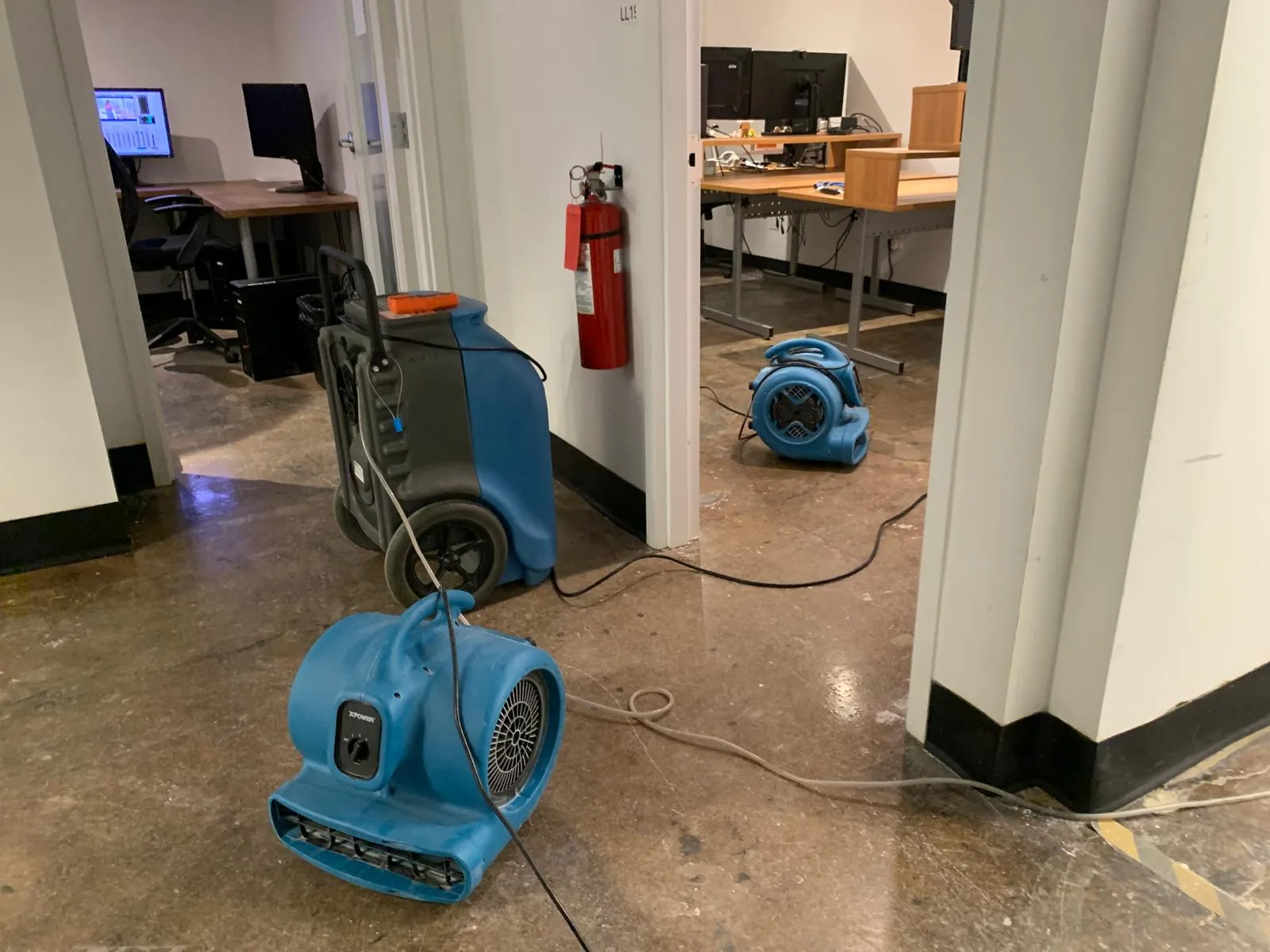
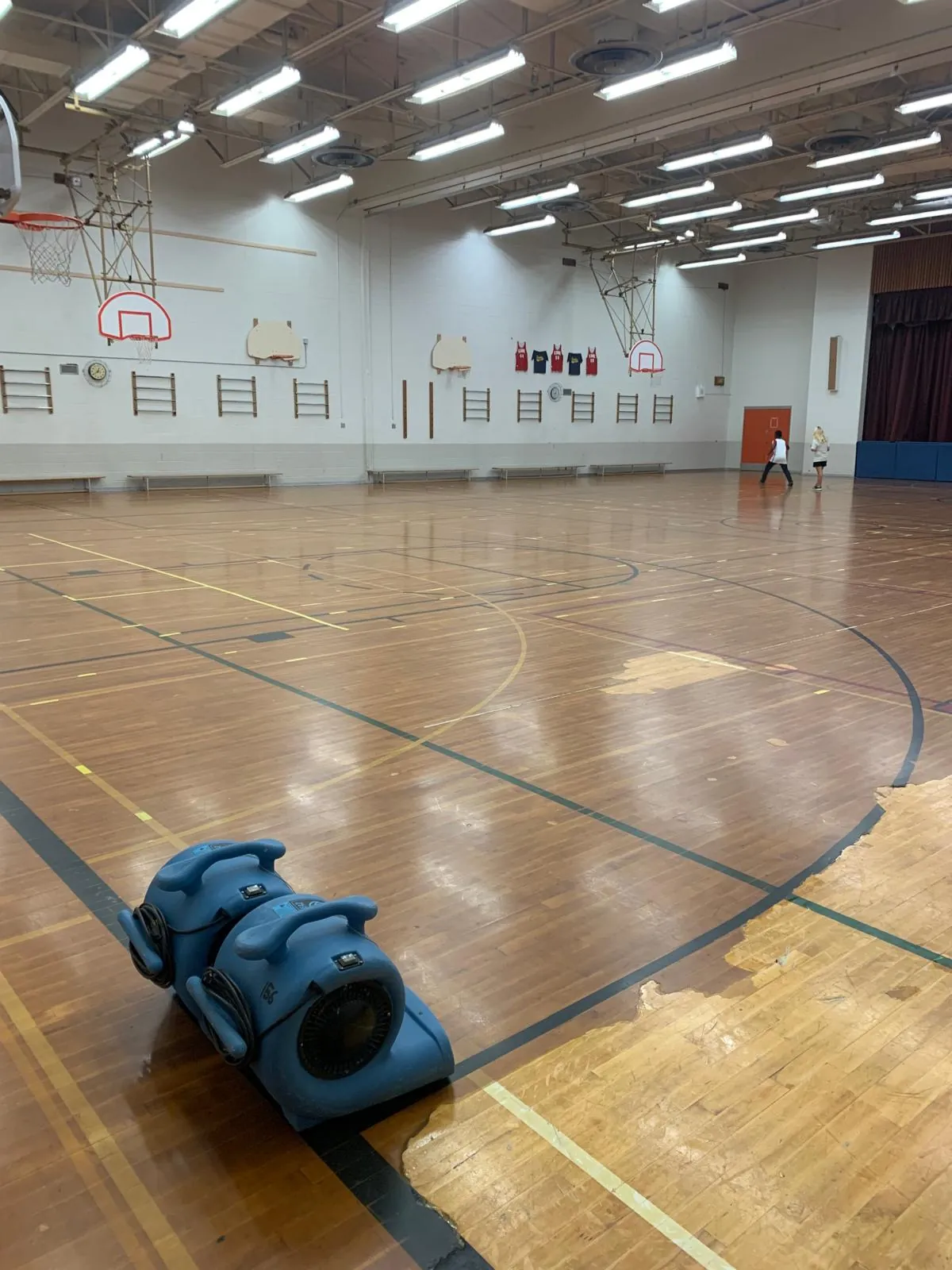

Residential
Water extraction, structural drying and moisture monitoring for homes, condos and townhomes — dried to a verified standard, not guessed.
Built for:
Homes
Condos
Townhomes
Rental Homes

Commercial
Extraction, drying and daily moisture documentation for occupied business properties — planned around how you operate to limit downtime.
Built for:
Offices & Retail
Hotels & Restaurants
Managed Properties
HOA & Condo Associations
Learn More
Active Water Damage?
Don’t wait — every minute increases damage and restoration cost. Call now for 24/7 emergency dispatch across Broward County, or book a free property protection audit.
How we work
01
Your Call
You call. A real person answers — 24/7, including nights, weekends and holidays. We ask a few key questions to assess severity and dispatch our local crew immediately.
02
We Arrive
Our Broward-based crew arrives with extraction and imaging equipment and assesses every affected area to find the source and the full extent of the damage.
03
Extract
Standing water is removed with commercial-grade extraction equipment, and containment is established where needed to stop damage from spreading.
04
Setup Drying
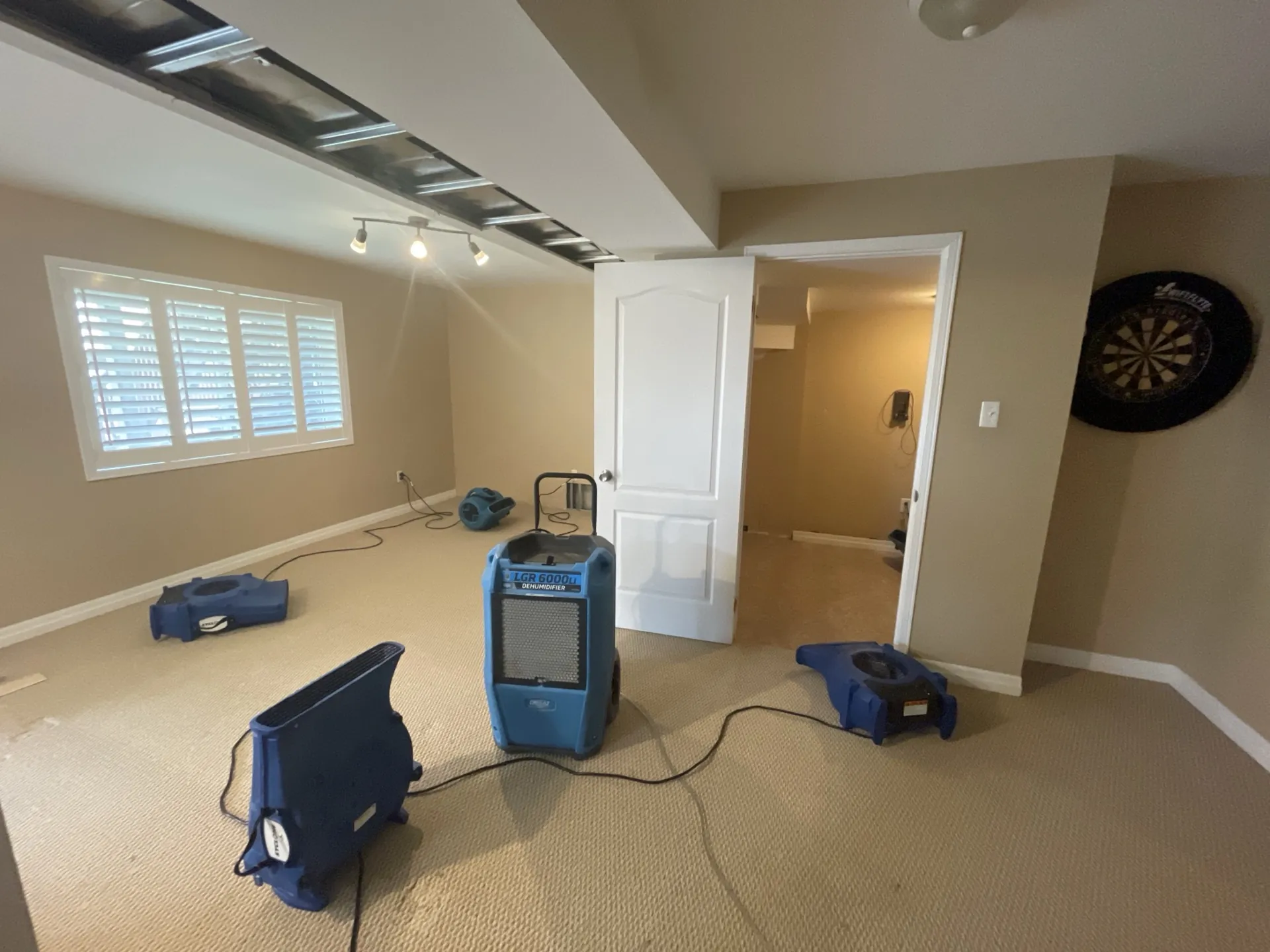
Industrial dehumidifiers and air movers are deployed based on moisture mapping data to dry walls, floors and cavities in a controlled way.
05
Monitor & Document
Every step is logged — daily moisture readings, photos, equipment and timeline. Your insurance documentation package starts here.
06
Verify & Close Out
Once calibrated readings confirm the structure is dry, we remove the equipment and hand over a complete, insurance-ready report of the mitigation.