Water Damage
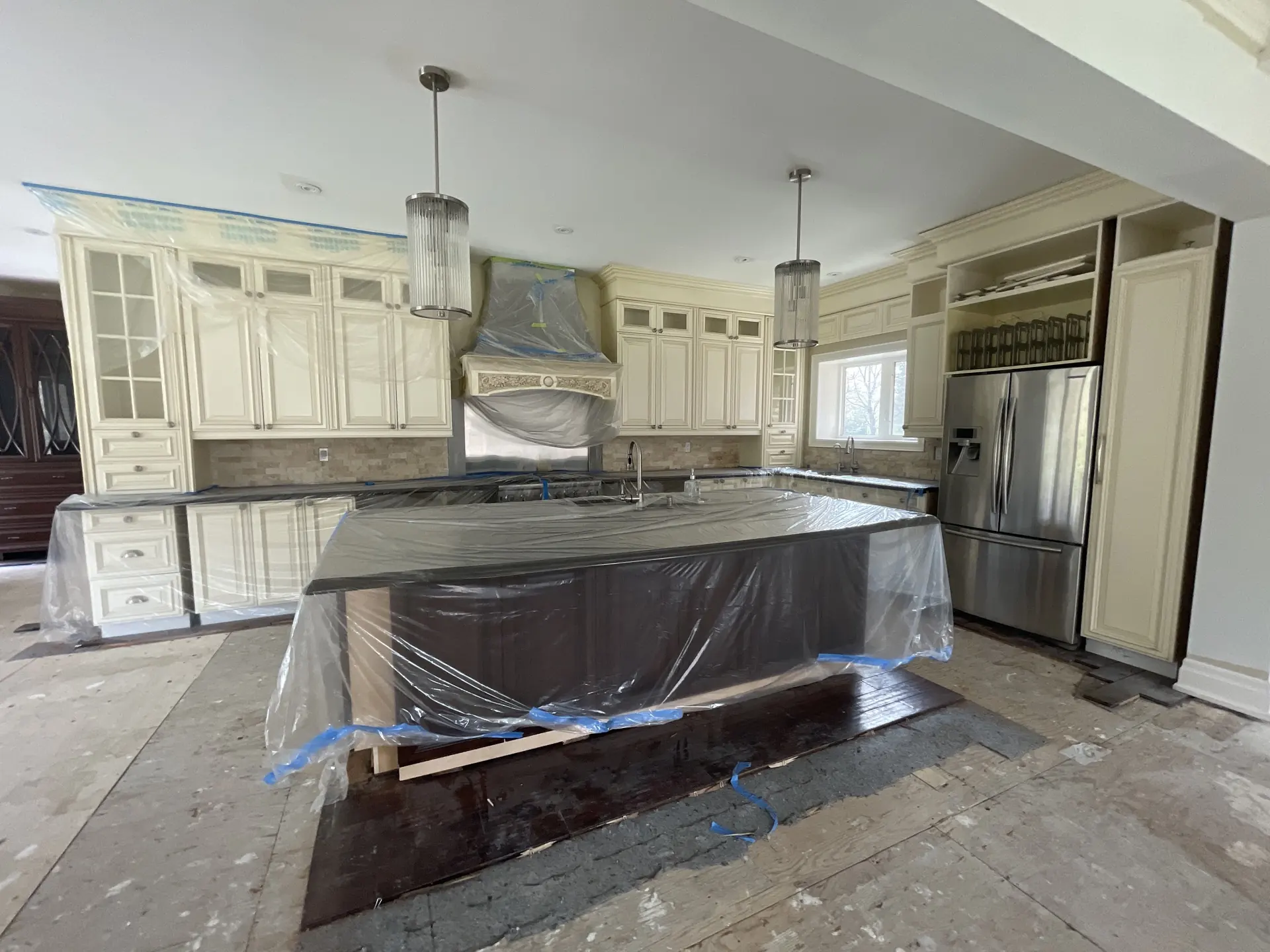
A plumbing leak may be repaired, but water can remain inside walls, ceilings, flooring, baseboards, cabinets, and other building materials long after the source is fixed. ZM-MADE provides water damage restoration for Fort Lauderdale, Broward and Palm Beach County properties, built around confirming the materials are actually dry, not just that the leak has stopped.

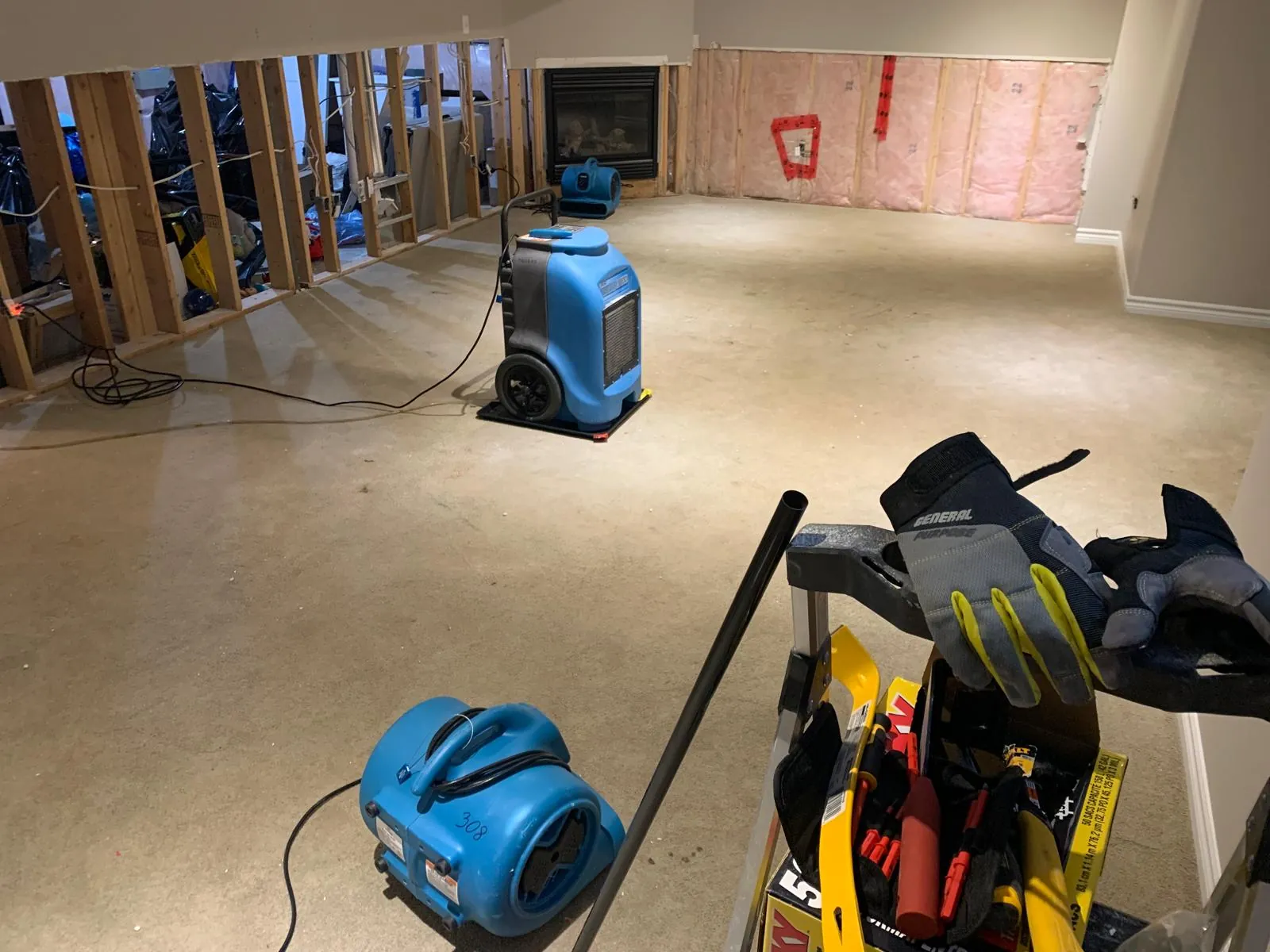
Emergency water mitigation begins with water extraction from standing areas, followed by a moisture assessment of the surrounding materials — walls, ceilings, flooring, baseboards, cabinets — to find where water has migrated beyond the visible area. Structural drying equipment (air movers and dehumidifiers) is positioned based on those readings, not placed generically.
Drying is tracked with moisture monitoring and documented at each stage, so the property isn't closed back up until materials are confirmed dry — not just dry to the touch. This documentation also supports insurance claims by showing the drying process start to finish, matching ZM-MADE's STOP → DRY → FIX → PROTECT approach to every water damage job.
FAQ
Why is my water bill suddenly higher with no visible leak?
An unexplained spike in your water bill is often the first sign of a hidden leak — one that's running behind a wall, under a slab, or inside structural framing where it's never visibly dripping. Standard fixtures don't account for a sudden, sustained increase in usage, so if nothing in your routine changes, the water is likely going somewhere you can't see. ZM-MADE traces the source using moisture meters and thermal imaging to find exactly where the water is going before any wall or flooring is opened.
What areas does ZM-MADE serve for water damage restoration?
ZM-MADE provides water damage restoration for Fort Lauderdale, Broward County, and Palm Beach County, for both residential and commercial properties.
How soon after a leak should I call a water damage restoration company?
As soon as the leak is found. Water begins migrating into surrounding materials immediately, and the longer it sits, the more materials are affected and the longer the drying process takes. Early water extraction limits how far the damage spreads.
What happens if water damage isn't fully dried?
Materials that stay damp create the conditions mold needs to grow, and prolonged moisture can lead to structural rot in framing, subflooring, and cabinetry. This is why ZM-MADE confirms drying with moisture readings before closing a job, rather than relying on how a material looks or feels on the surface.
Can I dry out water damage myself, or do I need a professional?
Surface water can be mopped up, but materials like drywall, subflooring, and insulation can hold moisture well below the surface, where household fans won't reach it. Without moisture meters to confirm materials are actually dry, trapped moisture can lead to mold growth or structural damage weeks later — which is why professional structural drying includes verification, not just airflow.
What's the difference between water mitigation and water damage restoration?
Water mitigation is the emergency response that stops the damage from getting worse — extraction, moisture assessment, and structural drying. Water damage restoration includes mitigation plus the repair work that follows once drying is confirmed complete. ZM-MADE handles both as one continuous process rather than two separate jobs.
Does water damage restoration help with my insurance claim?
Yes. ZM-MADE documents the extraction, drying, and moisture-monitoring process at each stage with photos and readings, giving a clear record of the damage and the work performed that can support an insurance claim. This documentation shows the full drying process start to finish, not just the end result.
How long does water damage restoration take?
Drying time depends on how much water was involved and which materials absorbed it — a typical structural drying process runs 3 to 5 days, though larger losses or materials like hardwood or drywall that hold moisture longer can take more. ZM-MADE tracks moisture levels daily and keeps equipment in place until readings confirm the materials are actually dry, not on a fixed schedule.
How do I know if my property has hidden water damage?
Signs include a musty odor, discoloration or soft spots on walls or ceilings, peeling paint, warped flooring, or an unexplained increase in your water bill. Because water can travel behind walls and under flooring before it's ever visible, ZM-MADE uses moisture meters and thermal imaging to confirm the extent of any hidden moisture in properties across Fort Lauderdale, Broward County, and Palm Beach County before recommending next steps.
Who We Serve
ZM MADE delivers water damage mitigation, structural drying and moisture monitoring for homes, businesses and industrial facilities across Broward and Palm Beach Counties — each plan built around how the property is actually used.
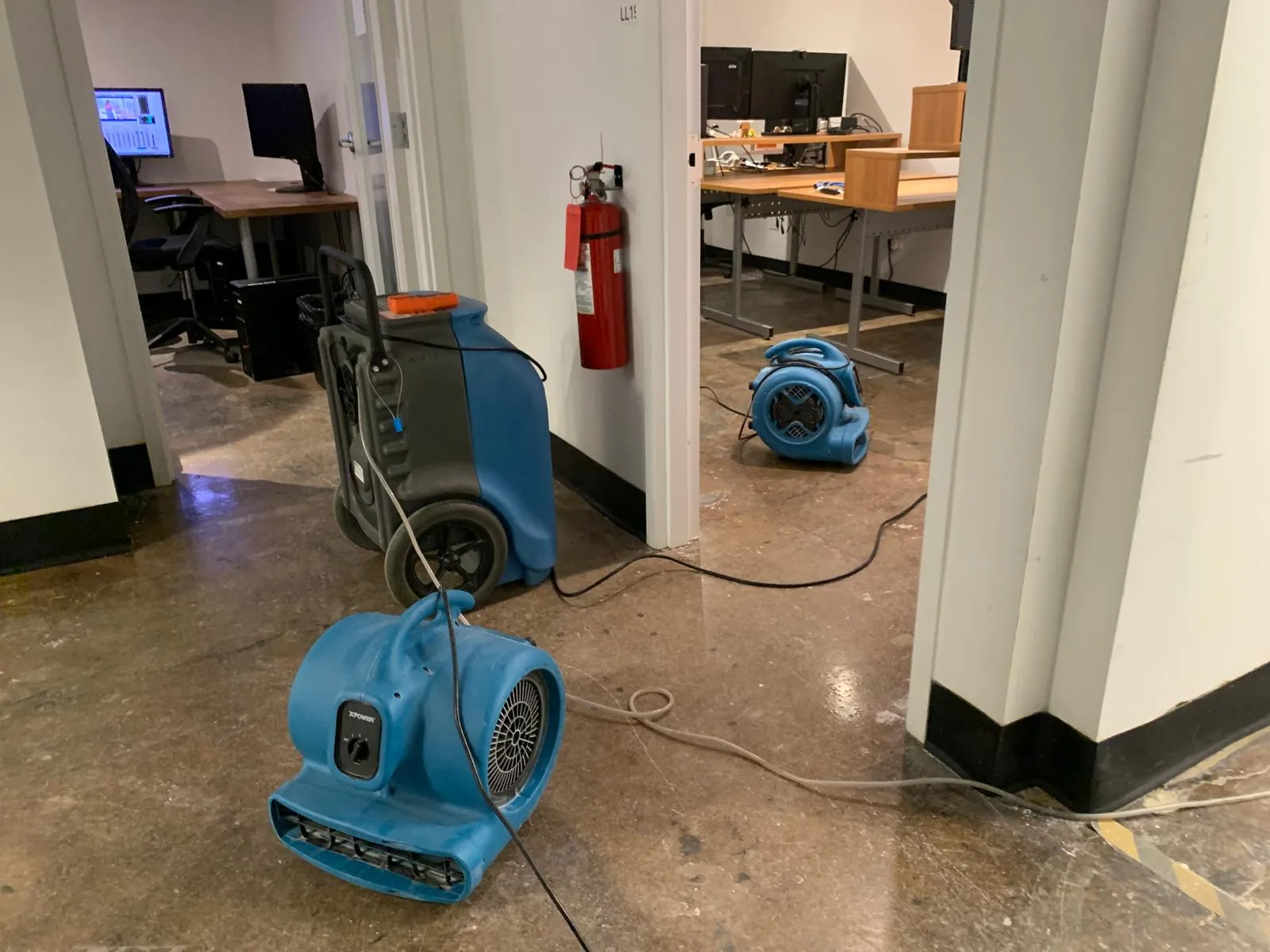
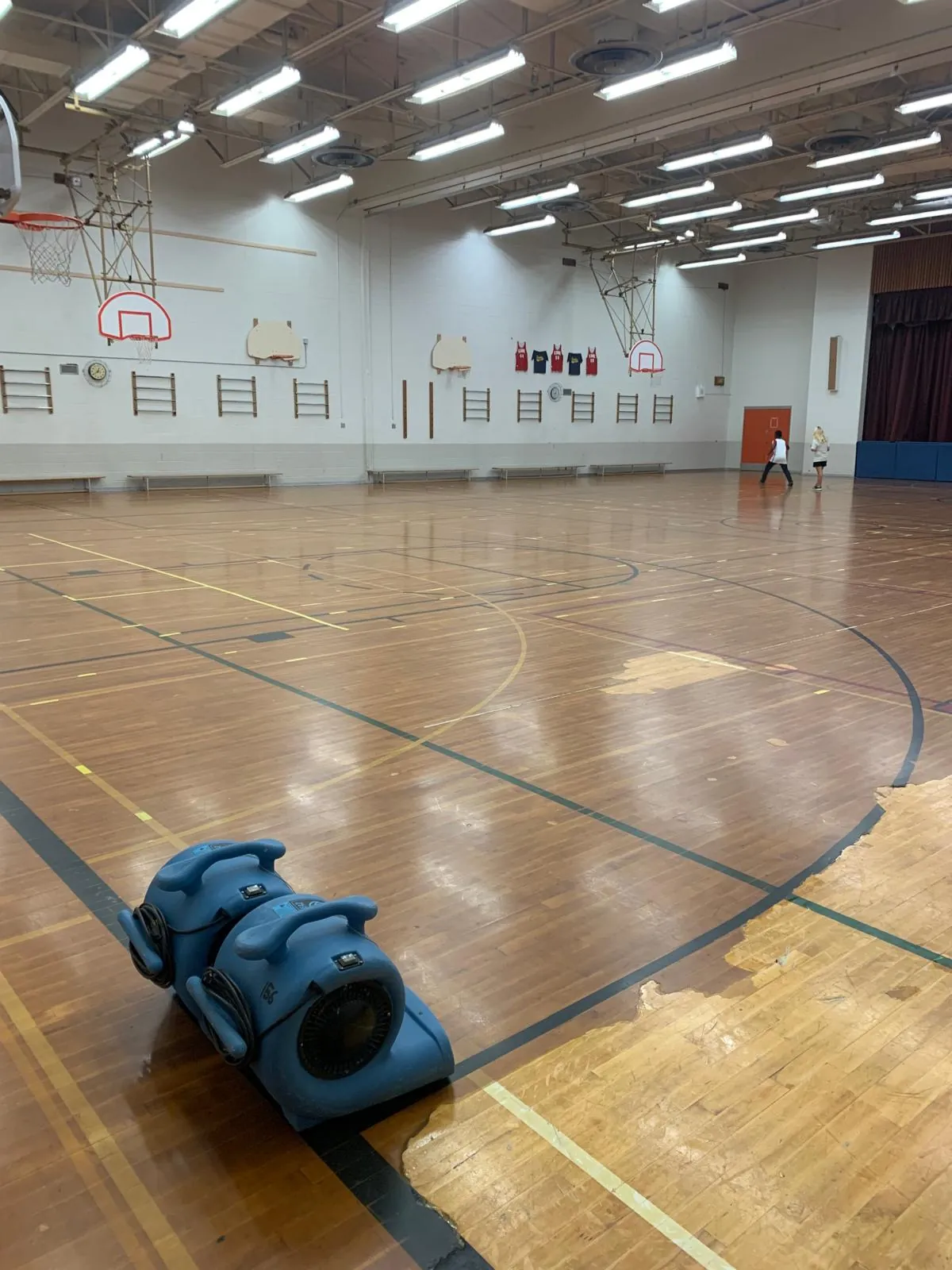

Residential
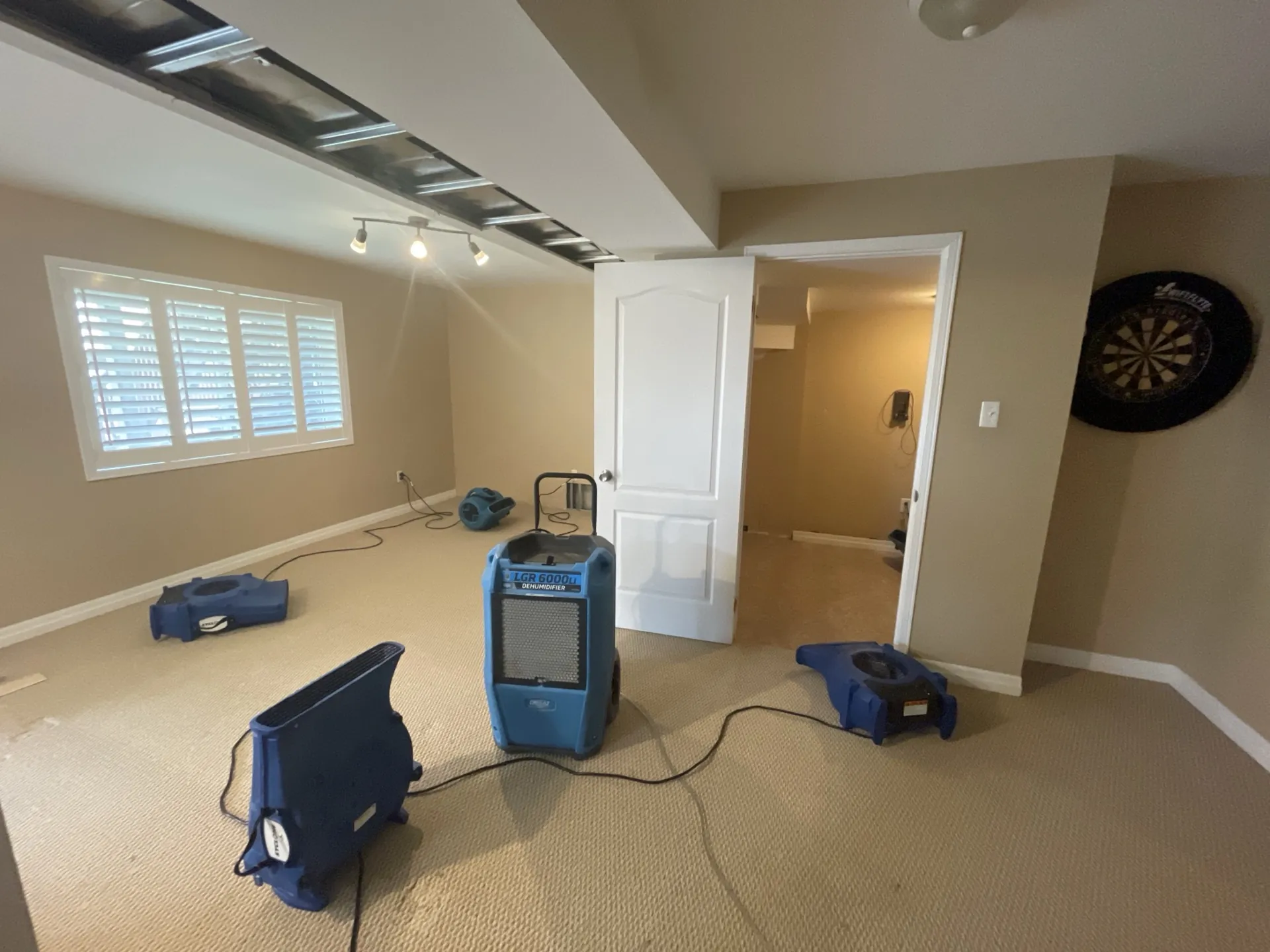
Water extraction, structural drying and moisture monitoring for homes, condos and townhomes — dried to a verified standard, not guessed.
Built for:
Homes
Condos
Townhomes
Rental Homes

Commercial
Extraction, drying and daily moisture documentation for occupied business properties — planned around how you operate to limit downtime.
Built for:
Offices & Retail
Hotels & Restaurants
Managed Properties
HOA & Condo Associations
Learn More
Active Water Damage?
Don’t wait — every minute increases damage and restoration cost. Call now for 24/7 emergency dispatch across Broward County, or book a free property protection audit.
How we work
01
Your Call
You call. A real person answers — 24/7, including nights, weekends and holidays. We ask a few key questions to assess severity and dispatch our local crew immediately.
02
We Arrive
Our Broward-based crew arrives with extraction and imaging equipment and assesses every affected area to find the source and the full extent of the damage.
03
Extract
Standing water is removed with commercial-grade extraction equipment, and containment is established where needed to stop damage from spreading.
04
Setup Drying
Industrial dehumidifiers and air movers are deployed based on moisture mapping data to dry walls, floors and cavities in a controlled way.
05
Monitor & Document
Every step is logged — daily moisture readings, photos, equipment and timeline. Your insurance documentation package starts here.
06
Verify & Close Out
Once calibrated readings confirm the structure is dry, we remove the equipment and hand over a complete, insurance-ready report of the mitigation.